

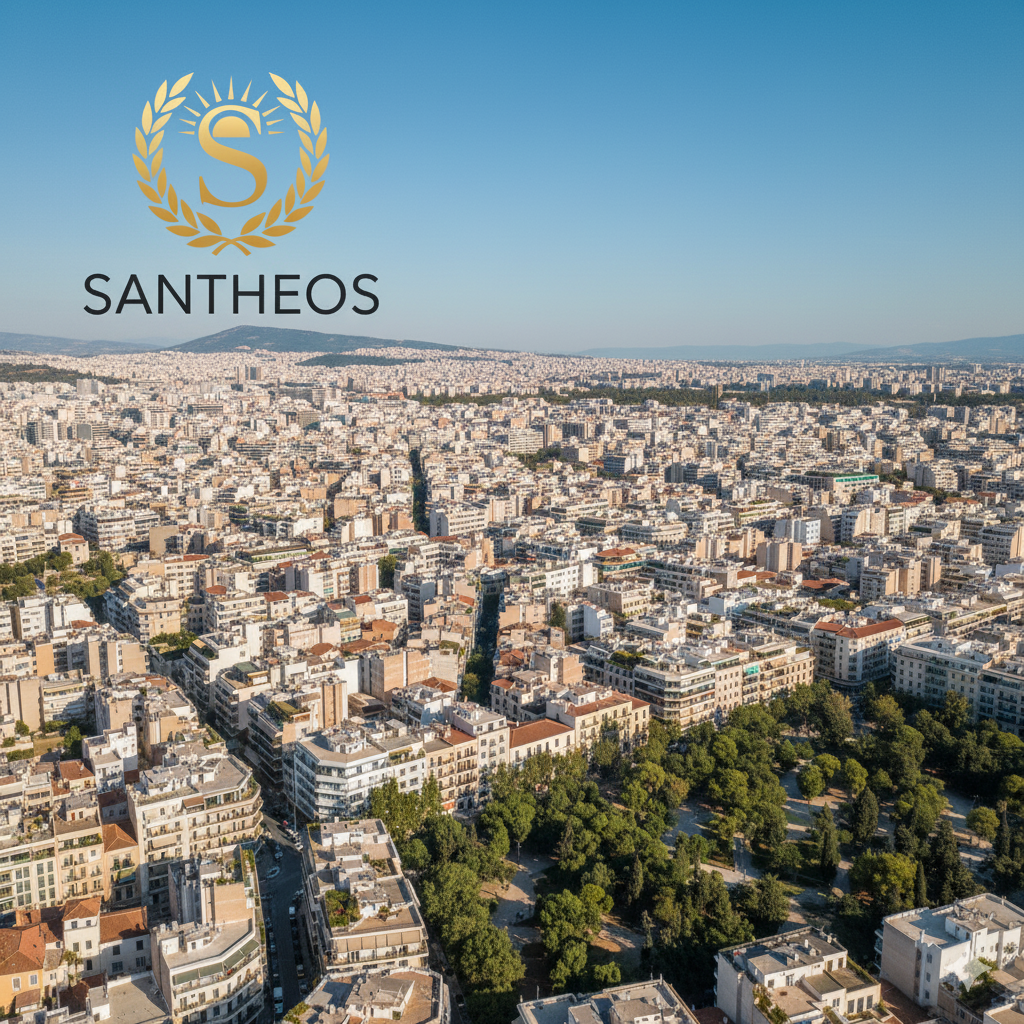
Dafni is a practical Athens location to examine when comparing Greece Golden Visa conversion projects. It sits south of the city centre, is served by Line 2 of the Athens Metro and has a mature mix of homes, shops and local services. Those characteristics can make the area understandable to an international buyer, but location alone never establishes Golden Visa eligibility or property quality. A buyer should assess the neighbourhood and the exact commercial-to-residential conversion file as two separate questions.
Why Dafni can suit a conversion project
Dafni is part of the continuous urban fabric of Athens rather than a seasonal resort market. The metro provides a straightforward connection with central Athens, while Vouliagmenis Avenue links the district with southern municipalities. Everyday services are distributed through the neighbourhood, including supermarkets, pharmacies, cafes and municipal facilities. For an owner considering future personal use, family use or lawful long-term occupancy, these practical features may be more relevant than a broad claim about investment potential.
Micro-location still matters. Walking distance to transport, street activity, noise, natural light, access and the condition of surrounding buildings can vary from one block to another. A project description should therefore identify the actual address and unit, not rely only on the name “Dafni.” Buyers should visit where possible, review a map at street level and ask how the unit relates to the entrance, lift, common areas and neighbouring uses.
First test: confirm the property-specific Golden Visa basis
The EUR 250,000 special route is not a general price band for ordinary residential property. For a commercial-to-residential case, the legal and technical advisers should establish that the specific property meets the current statutory conditions. The official Greek procedure refers to full ownership and possession of one property, a minimum acquisition value of EUR 250,000 and completion of the change of use before the residence application. It also requires property-specific supporting documents.
Ask the independent lawyer and engineer to explain the qualifying basis in writing. Their review should connect the title, cadastral record, prior lawful use, conversion documentation, technical report, contract and payment record. A sales label such as “conversion project” is not evidence by itself, and one qualifying unit does not automatically prove that every unit in the same building follows the same legal path.
Second test: trace the commercial-to-residential history
The engineer should identify the property’s earlier use and the documents through which residential use was lawfully established. The official change-of-use procedure states that the conversion must have taken place after 5 April 2024 and before submission of the Golden Visa application. Where an earlier permit exists, the current official guidance explains that it may be relevant only when it was revised or updated after the law took effect. The file should be reviewed against the exact facts and current rules.
Plans should be consistent across the permit material, engineer’s report, proposed contract and physical unit. Pay attention to the unit identifier, floor, boundaries, internal arrangement, access and any exclusive-use areas. If descriptions differ, obtain a written explanation before reservation or transfer. An attractive renovation cannot correct an unresolved mismatch in the legal or technical record.
Third test: inspect the proposed home
Commercial conversion requires more than changing the appearance of an interior. An independent technical inspection should consider ventilation, natural light, plumbing, electrical systems, waterproofing, fire-safety requirements where applicable, heating and cooling, sound transmission and accessibility. Buyers should also understand how utilities will be metered and which building systems or common areas remain under construction.
Review the delivery specification line by line. It should distinguish included finishes and equipment from visual examples. Ask who is responsible for outstanding work, what completion evidence will be supplied and how defects will be recorded. If a project is sold before final handover, the contract should address delivery milestones and remedies rather than leaving them to informal assurances.
Fourth test: evaluate use, costs and management
A Golden Visa purchase should not be based on an assumed rental return or future appreciation. The buyer should identify the intended lawful use and obtain current advice on restrictions affecting properties acquired through the programme. The all-in budget should separately include the purchase price, taxes, notarial and registration costs, legal and engineering review, application fees, insurance, furnishing, common charges and ongoing property management where relevant.
Payment evidence must be retained in a form accepted by the legal and notarial team. The official procedure calls for full payment using permitted traceable methods and supporting notarial confirmation. Because banking routes and transaction structures differ, the buyer should agree the payment sequence before transferring funds.
A practical Dafni review checklist
- Confirm the exact unit, title description and cadastral details.
- Obtain an independent explanation of the EUR 250,000 qualifying basis.
- Review the prior commercial use and completed change-of-use evidence.
- Match the plans, engineer’s report, contract and physical layout.
- Inspect access, light, ventilation, utilities and common areas.
- Document delivery obligations, defects and completion evidence.
- Check the total budget and payment trail with the professional team.
- Assess the exact street and intended lawful use, not only the district name.
Review Santheos projects and supporting guidance
See Project Dafni ST-004 and compare it with the complete Santheos Greece Golden Visa project directory. For policy questions, use the Greece Golden Visa Encyclopedia and the official guidance library. Project status, availability and eligibility must be confirmed for the specific unit and transaction.
Editorial note and official source
Prepared by: Santheos Research & Project Team.
Last reviewed: August 2026.
Important: This article provides general information and does not replace independent legal, tax, engineering or immigration advice. Rules and documents must be checked for the individual property and application.
Contact Santheos to request the current project information pack.


